

For architects, contractors, and hospitality developers, an aluminum pergola is not just a product—it’s a long-term structural investment. While a low initial quotation from a trading company might look attractive, the “hidden costs” of thin profiles, inferior alloys, and uncertified motors can lead to structural failure, rusting, and costly replacements within just 24 months.
This guide provides a professional framework for evaluating aluminum pergola manufacturers, focusing on structural integrity, manufacturing transparency, and B2B project reliability.
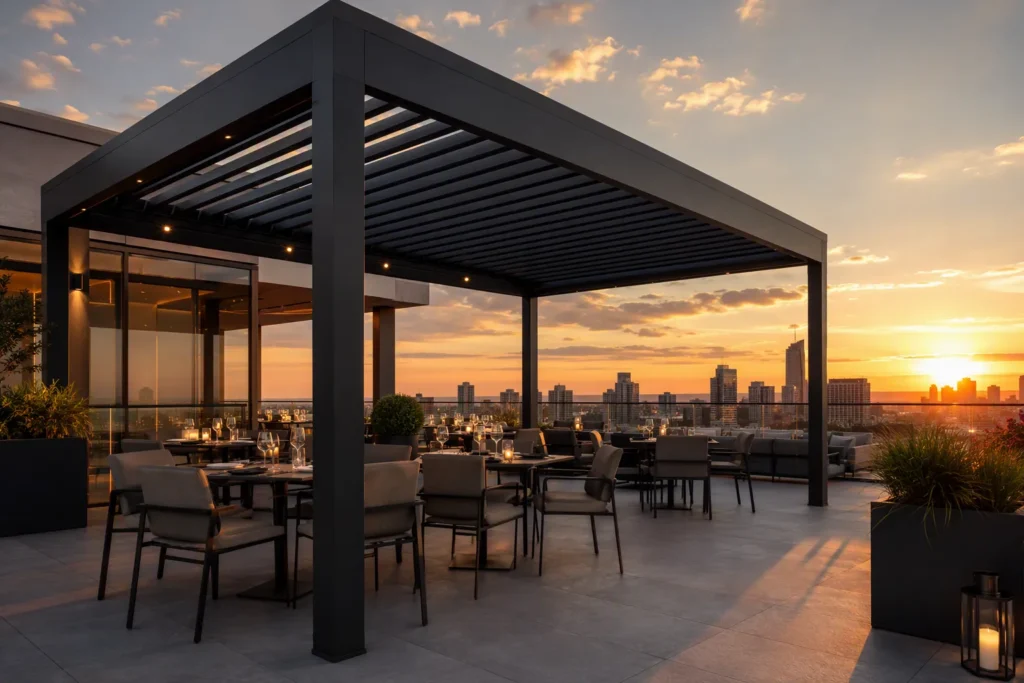
The Hidden Risks of Low-Price Pergolas: Real Cost vs. Initial Quote
How do you choose the right pergola manufacturer for your project?
The answer is not simply to find the lowest quotation. A professional B2B buyer should evaluate the total project value of a manufacturer, including product quality, engineering support, installation, warranty, lead time, and long-term reliability.
In the world of outdoor structures, we call this the Total Cost of Ownership (TCO). Buying cheap today often means paying 3x more in repairs, peeling paint, and structural failure within 3-5 years.
Our B2B Sourcing Formula: Total Project Value = Product Quality + Engineering Support + Installation + Warranty + Lead Time + Long-Term Reliability
What High-End Buyers Look for in a Supplier?
- A real manufacturing facility rather than only a trading operation
- Clearly specified aluminum alloy and profile specifications
- Reliable louver, motor, drainage, and control systems
- Customization capabilities for size, color, configuration, and accessories
- A documented quality-control process
- Experience with residential and commercial projects
- International export and packaging experience
- Clear warranty and after-sales policies
- Technical documentation and installation support
- Transparent, detailed quotations
What Does an Aluminum Pergola Manufacturer Do?
An aluminum pergola manufacturer designs, produces, assembles, tests, and supplies aluminum pergola systems.
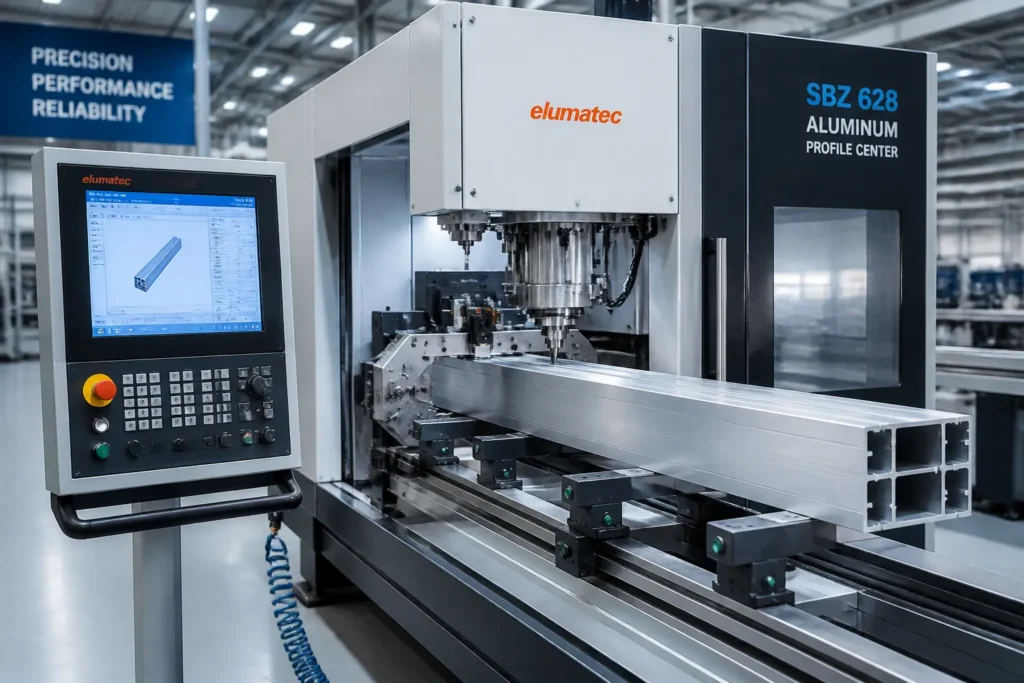
Depending on the manufacturer, the production process may include: Aluminum material selection, Profile extrusion or sourcing, CNC cutting and machining, Punching and fabrication, Surface treatment and powder coating, Louver and frame assembly, Motor and electrical integration, Quality inspection, Packaging, and Export and shipping support.
For example, Progolas describes its manufacturing process as including material selection, precision machining, surface treatment, assembly preparation, quality inspection, and export packaging. Its current product information specifies 6063-T5 aluminum for its pergola systems.
10 Critical Factors for Evaluating Professional Pergola Manufacturers
1. Factory Direct or Trading? Verifying Real Production Capability
The first question to ask is simple: Does the supplier actually manufacture the pergola system?
EXPERT SOURCING TIP:The 5-Minute Live Video Audit: Before committing, request a live video tour. Ask to see the CNC cutting precision, the pre-assembly testing area, and the raw profile storage. A real manufacturer like Progolas will have zero hesitation showing these.
A manufacturer with in-house production can generally provide better visibility into material selection, profile specifications, quality control, and production scheduling.
Ask the supplier: Where is your factory located? What processes are completed in-house? Can you provide factory photos or videos? What products do you manufacture? Can you provide samples? What is your typical production capacity? Can you support customized projects?
2. Structural Integrity: Aluminum Alloy Grades and Profile Thickness
The aluminum alloy and structural profile are fundamental to pergola performance.
RED FLAG ALERT:Recycled Scrapped Aluminum: Be wary of low-cost quotes. They often use recycled aluminum with high impurities, resulting in brittle structures that can snap under heavy wind or snow loads.
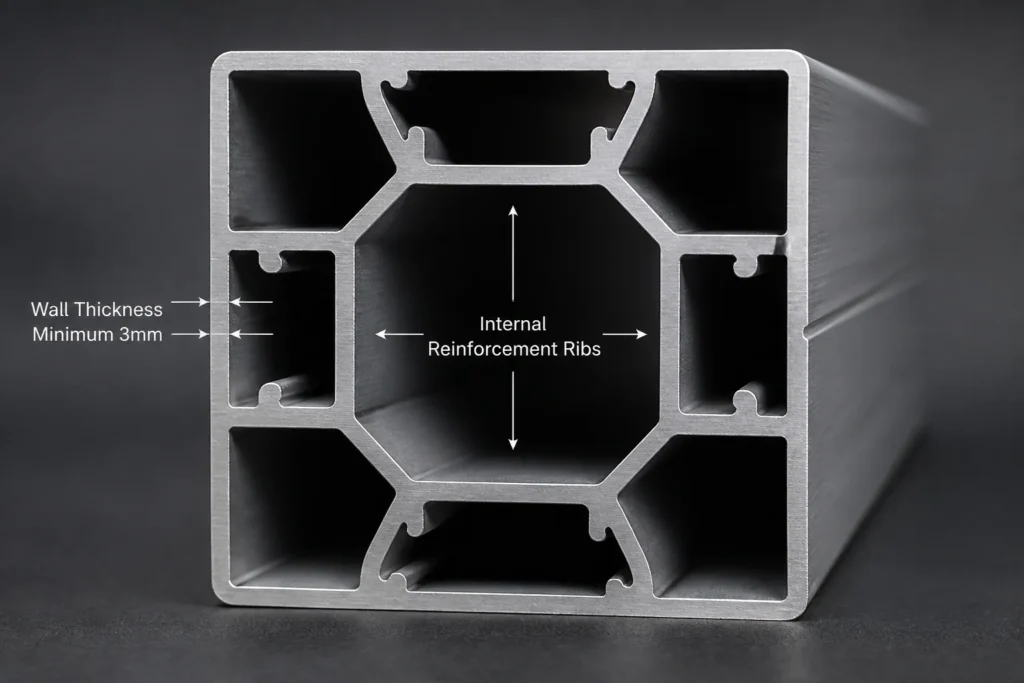
Do not simply ask: “Is your pergola made of aluminum?” Ask for the actual material specification. For example: Aluminum alloy, Temper, Profile dimensions, Profile thickness, Post dimensions, Beam dimensions, Louver dimensions, Gutter dimensions, and Structural connection method.
Progolas currently specifies 6063-T5 high-strength aluminum alloy for its pergola structures and publishes model-level specifications for posts, blades, and gutters.
3. Waterproof Engineering: Louver Roof and 360° Drainage Logic
For a louvered pergola, the roof system is one of the most important components. A good system should provide controlled: Sunlight, Ventilation, Rain protection, Drainage, Outdoor comfort.
EXPERT SOURCING TIP:Integrated 360° Internal Drainage: Water should flow from louvers into hidden beam gutters and down inside the post hollows. Avoid designs with external plastic pipes that clog and leak.
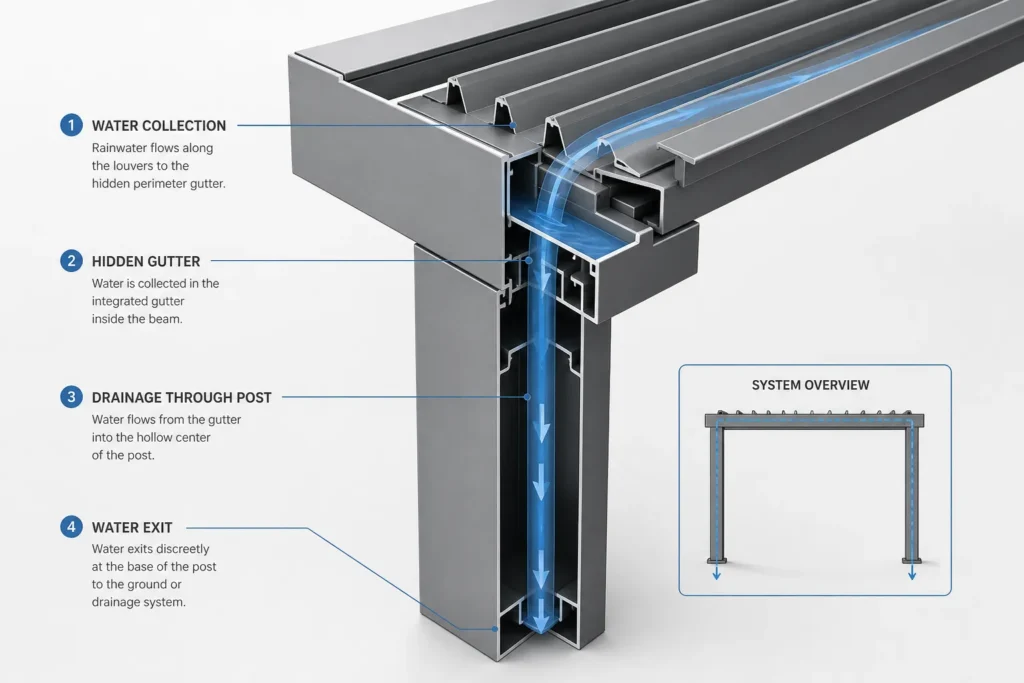
Ask the manufacturer: What is the louver size? What is the louver thickness? What is the maximum opening angle? How does the roof drain water? How are the louvers connected? Is the system manually or electrically operated? What happens during heavy rain? Can the louver system be replaced or serviced?
4. Performance & Safety: Certified Motors and Electrical Systems
RED FLAG ALERT: Uncertified Electrical Hazards: In outdoor wet environments, generic motors are a fire and shock hazard. Demand CE or TUV certified motors with an IP67 waterproof rating.
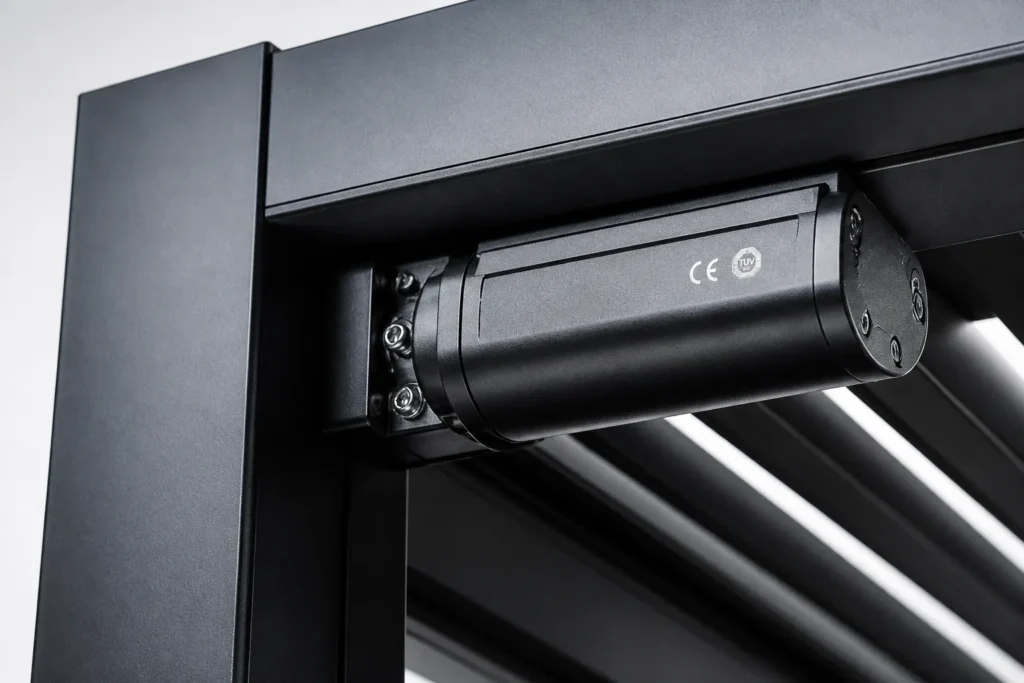
Progolas currently states that its motorized pergola systems use CE/TUV-certified motors on its factory-direct supplier page. For commercial projects, replacement-part availability is particularly important because a minor component failure should not require replacing the entire pergola.
5. Surface Longevity: Premium Coatings for UV and Salt Resistance
EXPERT SOURCING TIP:The AkzoNobel Standard: Standard industrial paint peels within 24 months near the coast. Professional manufacturers use AkzoNobel or Tiger Drylac powders to ensure color retention for 10+ years.
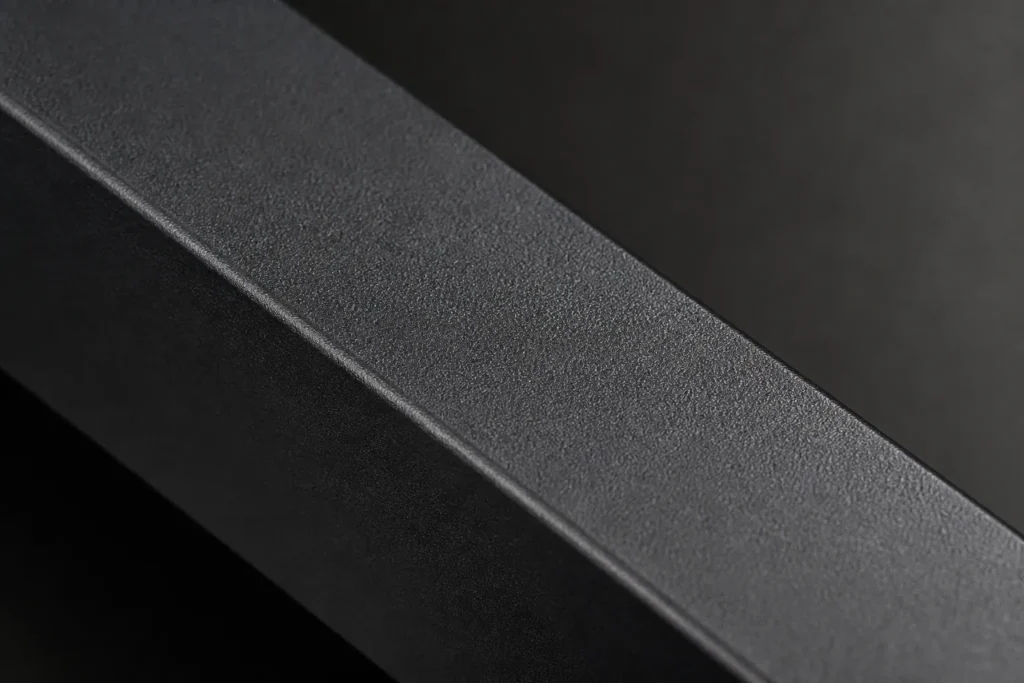
Ask the manufacturer about: Powder coating process, Coating thickness, Color options, Outdoor durability, Surface preparation, Quality inspection, Coastal or high-humidity applications. A reliable manufacturer should be able to explain its surface-treatment process instead of simply describing the finish as “premium.”
6. Bespoke Design: Engineering-Level Customization Capability
A standard pergola may work for a residential patio, but commercial projects often require customization. A capable manufacturer should be able to discuss size (width, length, height, span), color (standard, custom RAL), roof type, and accessories (LED lighting, roller blinds, curtains, heaters, screens, sliding doors).
Progolas currently positions its pergola systems as customizable in size, color, configuration, and accessories, with products intended for residential, hospitality, and commercial applications.
7. Quality Assurance: A Look at the Documented QC Process
A manufacturer should be able to explain how quality is controlled, not just claim that its products are high quality. Ask if they check incoming materials, profile dimensions, surface quality, hardware, motor operation, louver movement, drainage, electrical functions, assembly, and packaging.
8. Global Credibility: International Project Experience and References
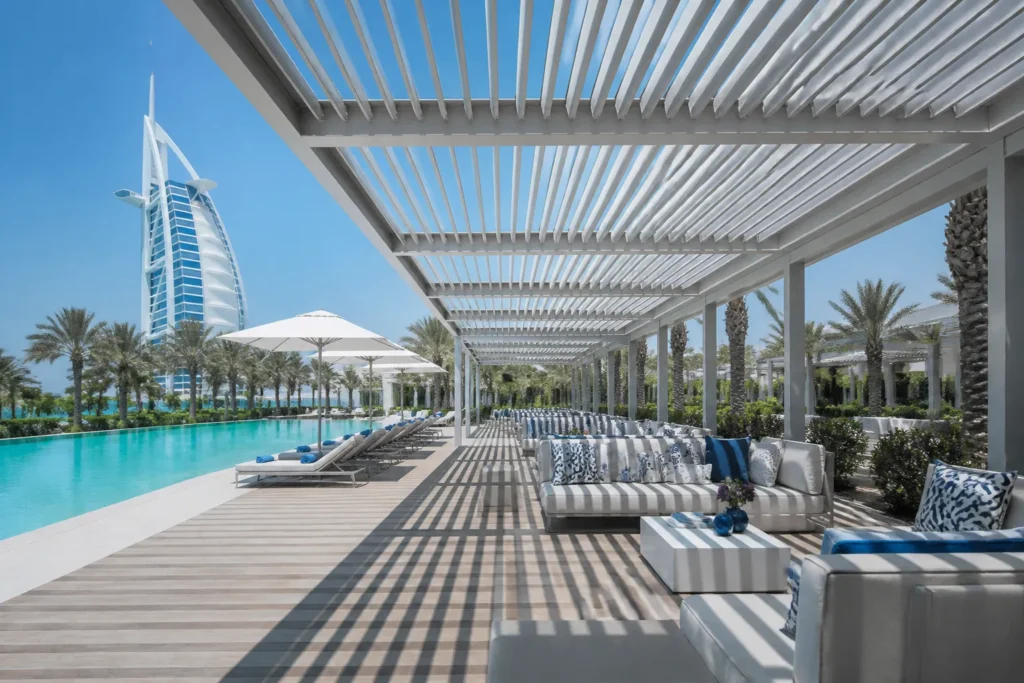
Look for relevant experience in villas, hotels, resorts, rooftops, and commercial courtyards. Progolas currently presents project examples covering residential and hospitality applications and states that it exports to more than 100 countries.
9. Long-Term Protection: Warranty Policies and Spare Parts Availability
Before placing an order, clarify: What does the warranty cover? How long is the warranty? Are motors covered? Are aluminum structures covered? Are spare parts available? Who provides technical support?
Progolas currently advertises a 15-year warranty on its factory-direct supplier page, while its FAQ states that its systems can last approximately 15–30 years with normal maintenance.
10. Logistics Safety: Reinforced Packaging and Project Logistics Support
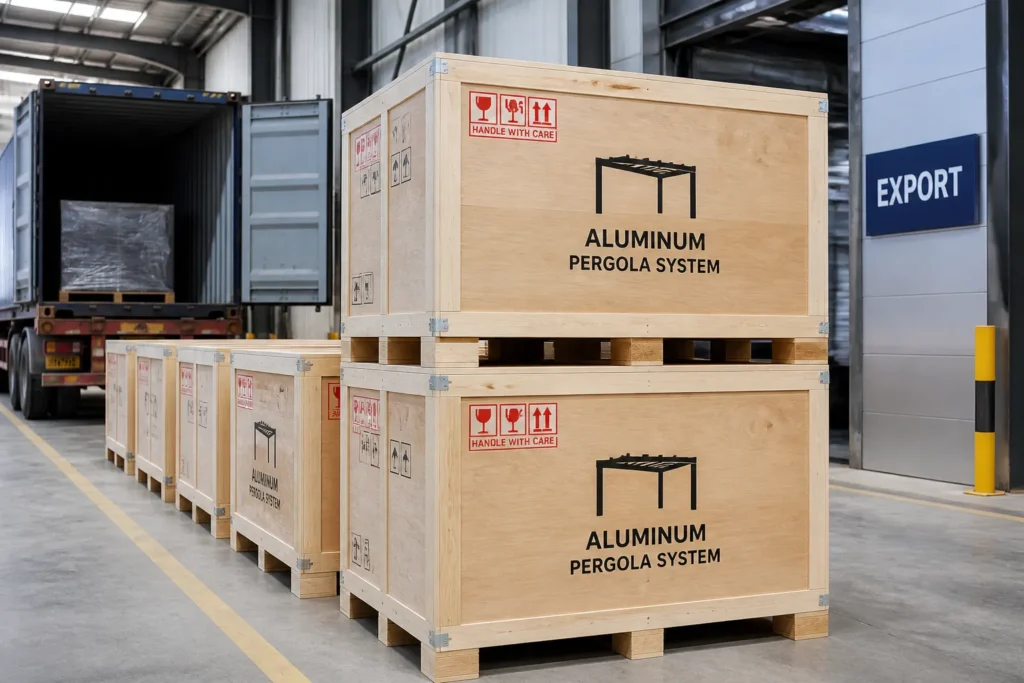
The supplier should understand export packaging, container loading, shipping requirements, product labeling, installation documentation, technical drawings, and delivery schedules.
Expert Comparison: How to Benchmark Your Pergola Suppliers
When comparing multiple suppliers, avoid comparing only the final price. Create a supplier comparison sheet using these benchmarks.
Aluminum Pergola Manufacturer Evaluation Checklist
| Evaluation Factor | What to Check | Why It Matters |
|---|---|---|
| Factory | Own manufacturing facility | Ensures production control and direct factory pricing. |
| Aluminum | Alloy and profile specifications (6063-T5) | Critical for structural performance and overall safety. |
| Profiles | Dimensions and thickness | Determines the strength and wind load durability. |
| Louvers | Size, thickness, and operation angle | Determines roof performance and rain protection. |
| Motor | Brand, CE/TUV certification, and IP rating | Ensures system reliability in outdoor wet environments. |
| Coating | Surface-treatment process (AkzoNobel/Tiger) | Ensures color retention and outdoor durability (10+ years). |
| Customization | Size, color, and accessories (LED, Screens) | Provides project flexibility for unique architectural needs. |
| QC | Documented inspection procedures | Guarantees consistent product quality across batches. |
| Warranty | Coverage (Structure vs. Motor) and duration | Provides long-term risk protection and peace of mind. |
| Projects | Relevant hospitality/commercial project experience | Demonstrates proven capability in high-end applications. |
| Lead Time | Production and delivery schedule | Essential for construction project planning and deadlines. |
| Packaging | Export-grade reinforced wooden crates | Prevents costly damage during international shipping. |
| Support | Technical and after-sales service response | Provides installation guidance and long-term maintenance. |
Why the Lowest Aluminum Pergola Price Is Not Always the Best Choice
Price matters, but a low quotation can result from differences in specifications: profiles, thicknesses, motors, hardware, coating, and drainage. Buyers should compare specification + service + price, rather than price alone. A useful purchasing formula is:Total Project Value = Product Quality + Engineering Support + Installation + Warranty + Lead Time + Long-Term Reliability
Risk Management: 5 Steps to Verify a Factory Before Ordering
Step 1: Request Factory Information
Ask for: Factory address, Production photos, videos, equipment info, product catalog, and certifications.
Step 2: Request Product Specifications
Ask for: Aluminum alloy, Profile dimensions/thickness, motor specs, and wind/snow performance data.
Step 3: Request Samples
Evaluate: Surface finish, profile quality, hardware, and assembly.
Step 4: Request a Detailed Quotation
Identify: Model, dimensions, accessories, motor, packaging, and warranty.
Step 5: Confirm Production and Delivery
Confirm: Lead time, QC process, packaging, and installation documentation.
Get an Accurate Quote: Essential Information for Your RFQ
At minimum, include: Project Location (Country/City), Dimensions (W × L ×H), Application (Residential/Commercial), Roof Type (Motorized/Manual), Color (RAL), Accessories, Quantity, and Delivery Requirement.
Why Choose Progolas as Your Aluminum Pergola Manufacturer?
Progolas is a China-based manufacturer with 17+ years of experience in custom aluminum pergolas. Key strengths include In-House Manufacturing, Custom Project Support, Multiple Product Configurations (2117, 2015, 2115, 1410), Engineering-Focused Data, and International Project Experience in 100+ countries.
Recommended Aluminum Pergola Systems
Architect Pro Pergola 2117
Heavy-duty motorized pergola for commercial and luxury spaces. Best for: Commercial projects, Hotels, Restaurants, Large patios.
PrimeEdge Pergola 2015
Designed for residential living with smart control. Best for: Villas, Patios, Backyards.
ValueMax Pergola 2115
Best for poolside areas, walkways, and long outdoor spaces with customizable sizes.
SmartBase Pergola 1410
Compact motorized configuration for smaller spaces. Best for: Small patios, Balconies, Gardens
Conclusion
A reliable aluminum pergola manufacturer should be able to demonstrate verified manufacturing capability, clear product specifications, engineering support, quality control, customization, warranty, spare parts, and international delivery experience.
Before choosing a supplier, make sure you can verify these key areas—not just the product price.
The right manufacturer should provide clear answers, documented specifications, and reliable support throughout the entire project.
Sourcing FAQ: Expert Answers to Professional Buyer Questions
Look at factory capability, aluminum specifications, structural design, louver and motor quality, QC, project experience, and warranty. Do not compare suppliers based only on price.
Ask about alloy, profile dimensions, motor certifications, powder coating, customization range, lead time, and shipping protection.
For B2B buyers, yes. It provides better access to customization, technical support, and factory pricing.
Request live video tours, factory addresses, production process documentation, and ISO certifications.
Most professional manufacturers offer bespoke dimensions and configurations to fit specific architectural requirements.
Progolas systems can last 15–30 years with normal maintenance, depending on material quality and climate.
Model, dimensions, aluminum specs, motor brand, accessories, packaging, and warranty terms should be clearly listed.
In B2B, quality and structural integrity are paramount to avoid maintenance liability. Compare the complete technical specification.
Yes. Systems can be engineered for hotels, restaurants, resorts, and commercial rooftops according to specific structural codes.
Ready for Your Custom Pergola?
Build with confidence. Get your technical quote from our engineering team today.
Get a Technical Quote →