
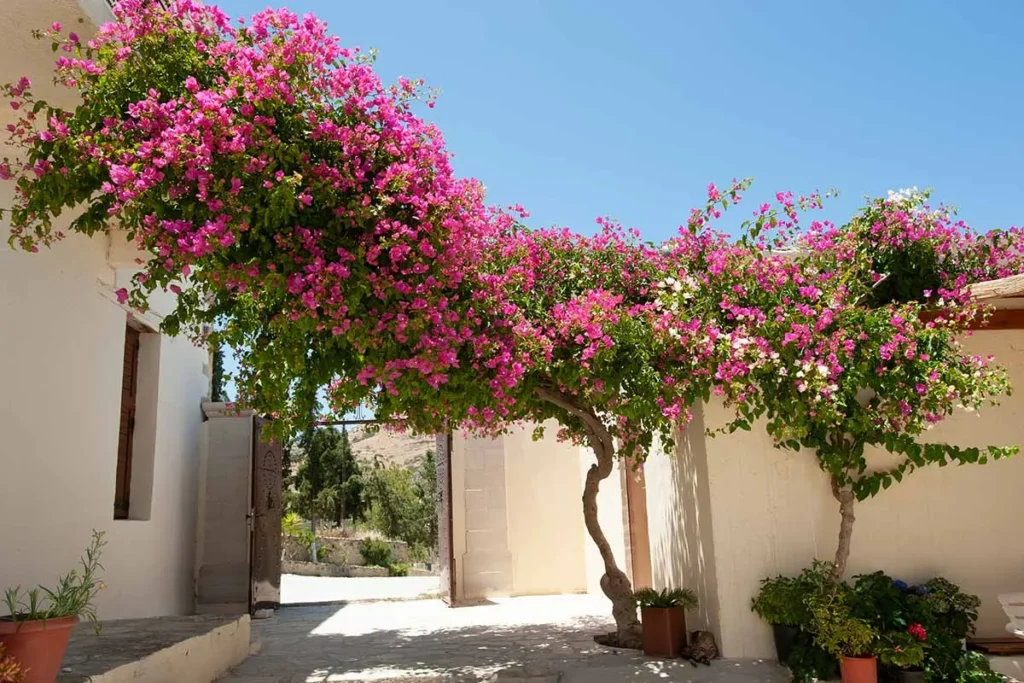

🌿 A Comprehensive Guide to Pergola Climbing Plants
A pergola on its own is a stunning architectural statement. But when draped in lush greenery and vibrant blooms, it transforms into something magical—a living, breathing part of your garden. Adding climbing plants for pergola structures doesn’t just enhance the aesthetics; it creates a cooler microclimate, adds natural privacy, and can even fill your evenings with intoxicating scents.
Key Considerations for Plant Selection
However, not all vines are created equal. Choosing the wrong one can lead to a maintenance nightmare or a plant that fails to thrive.
A Note for Modern Structures:Furthermore, if you have a modern aluminum pergola, you need to know how to train these plants without damaging your structure’s pristine finish.
The Advantage of Aluminum
Unlike wood, which can rot under the constant moisture of dense vines, a high-quality aluminum pergola is practically impervious to moisture, making it the perfect, long-lasting skeleton for your garden oasis.
This comprehensive guide will first help you filter your choices, then present the 20 best climbing plants for pergolas, categorized by what you want them to do.
✅ Part 1: The Pre-Selection Checklist (Ask These 3 Questions First)
Before you fall in love with a picture of a blooming wisteria, you need to ensure it will survive in your backyard. Use these three questions as your “reality filter.”
1. What is Your Hardiness Zone?
Plants are rated by their ability to withstand cold winter temperatures. A tropical bougainvillea will not survive a Chicago winter outdoors.
Action:Check the USDA Hardiness Zone map (or your local equivalent) to find your zone. Ensure any plant you choose is rated for your specific zone.
2. What Are Your Sun Conditions?
Is your pergola in scorching, all-day sun, or is it shaded by your house for half the day?
- Full Sun (6+ hours): Most flowering vines like roses and wisteria crave this.
- Part Sun/Shade: You need specifically adapted climbing plants for part sun, such as certain clematis varieties or honeysuckle, which can tolerate less direct light.
3. What Is Your “Maintenance Reality”?
Be honest about how much work you want to do.
- High Maintenance: Plants like wisteria or trumpet vines are aggressive growers. They require fierce pruning twice a year, or they will take over everything.
- Low Maintenance: Slow-growing or annual vines (like some loofah vine varieties that die back in winter) might be better if you want a “plant it and forget it” summer solution.
🌱 Part 2: The Top 20 Pergola Plants (Categorized by Your Goals)
We have curated the 20 best pergola plants and grouped them by their primary superpower. Whether you need fast shade, incredible scents, or even fresh produce, you’ll find your perfect match here.
💨 Category A: The Fast-Track to Shade (Rapid Growers)
Best for:Homeowners who want instant gratification and quick coverage for hot summer days.
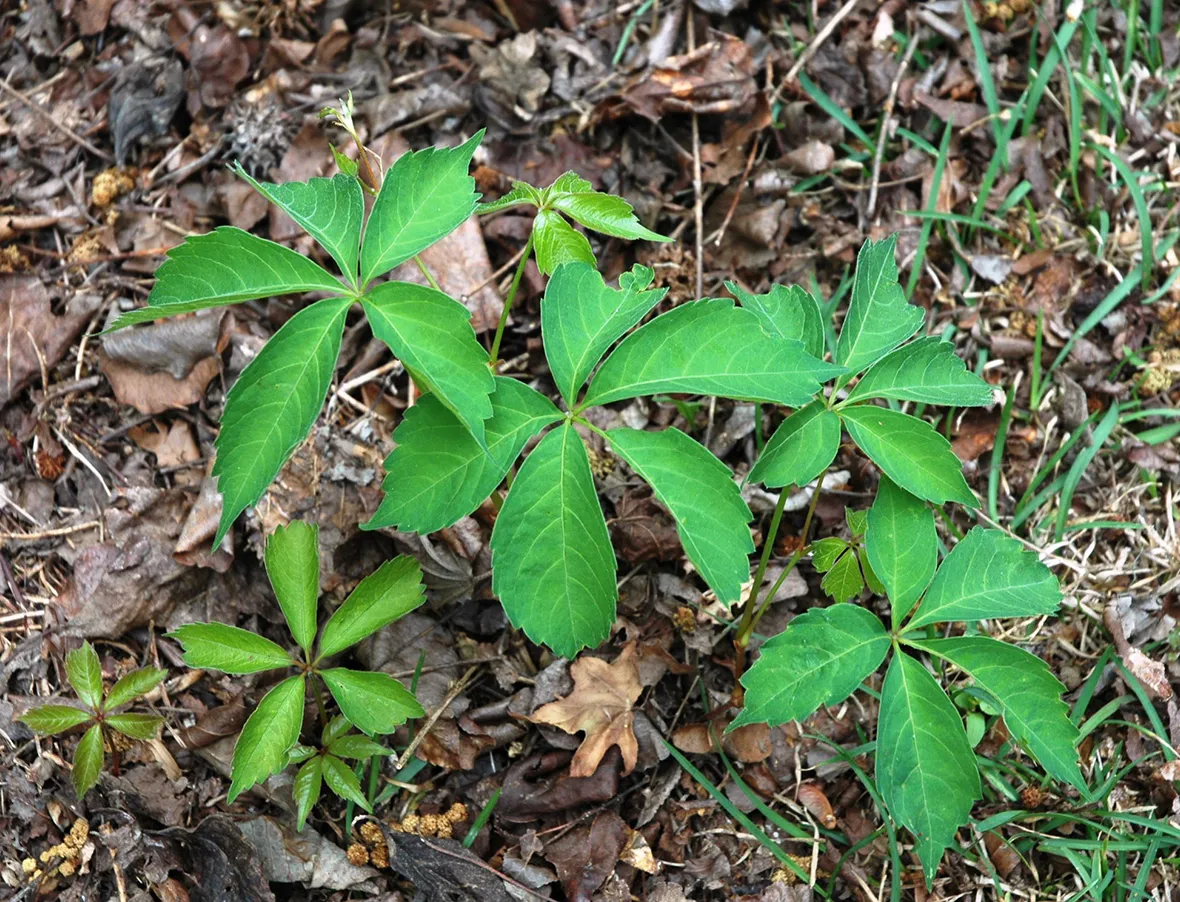
1. Five-leaf Virginia creeper
Plant Characteristics:
An incredibly vigorous climber with strong tendrils. It is renowned for its rapid growth rate and ability to cover large structures quickly.
Appearance:
Features distinctive palmately compound leaves, typically with five leaflets (hence the name five-leaf ivy in some regions). Leaves are lush green in summer, turning a spectacular, fiery crimson-red in autumn.
Growing Environment:
Very adaptable. Thrives in full sun to partial shade and is highly cold-tolerant. Prefers well-drained, fertile soil but can handle a range of conditions.
Benefits:
Excellent for rapid shading and improving local air quality by trapping dust. Its dense foliage can also protect walls from direct UV exposure, regulating temperature.
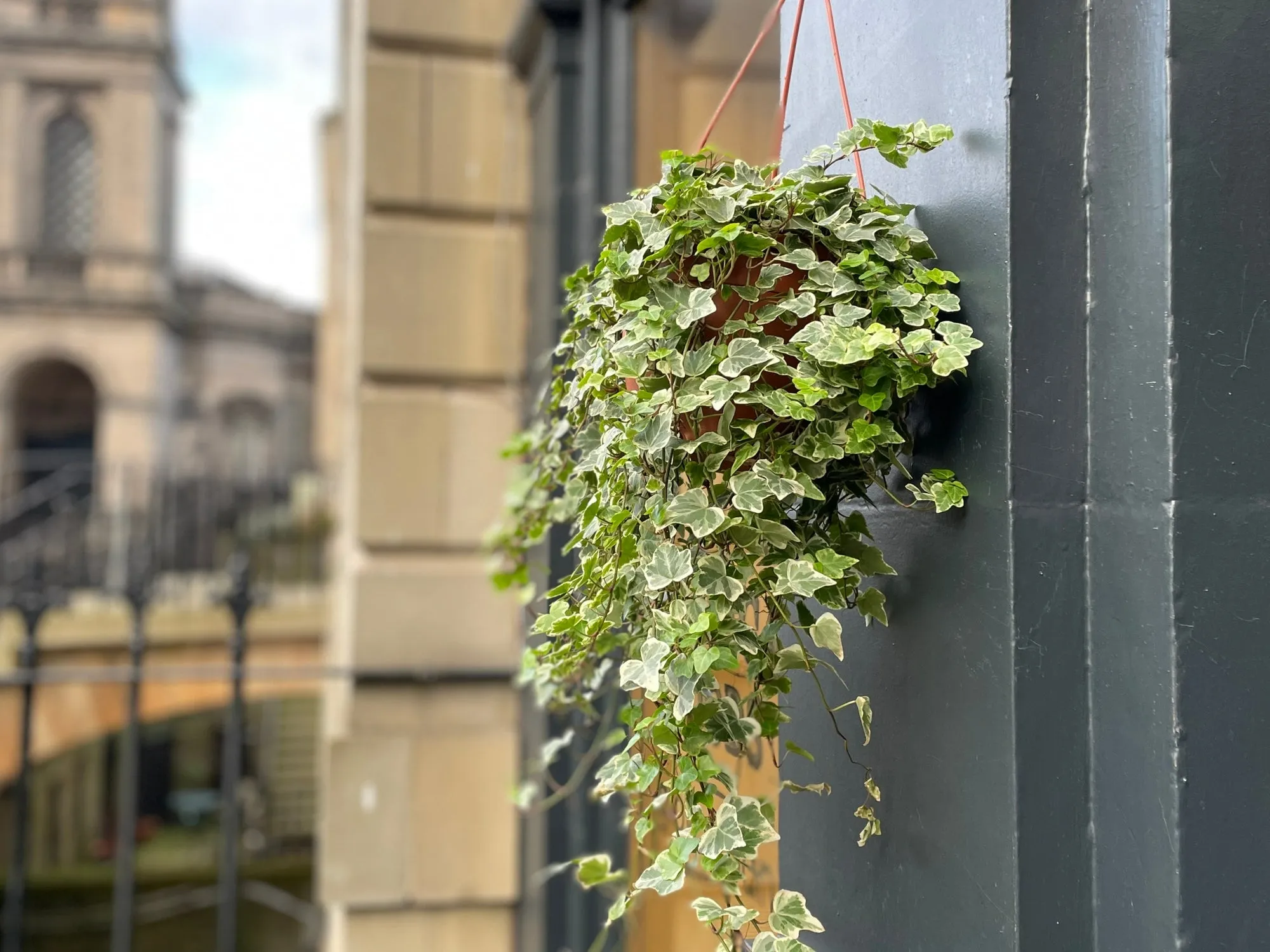
2. Ivy
Plant Characteristics:
A powerhouse climber that uses tiny, adhesive suction cups on its tendrils to grip firmly onto almost any surface, including aluminum posts, without needing extensive trellis support.
Appearance:
Leaves are typically three-lobed and glossy green in summer. Like its cousin the Virginia Creeper, it puts on a stunning display of red and purple hues in the fall.
Growing Environment:
Versatile, happy in sun or part shade. It is drought-tolerant once established and adaptable to various soil types, though it dislikes waterlogged roots.
Benefits:
Creates a dense “green wall” that significantly cools the area beneath it. It also acts as a natural sound buffer and air purifier.
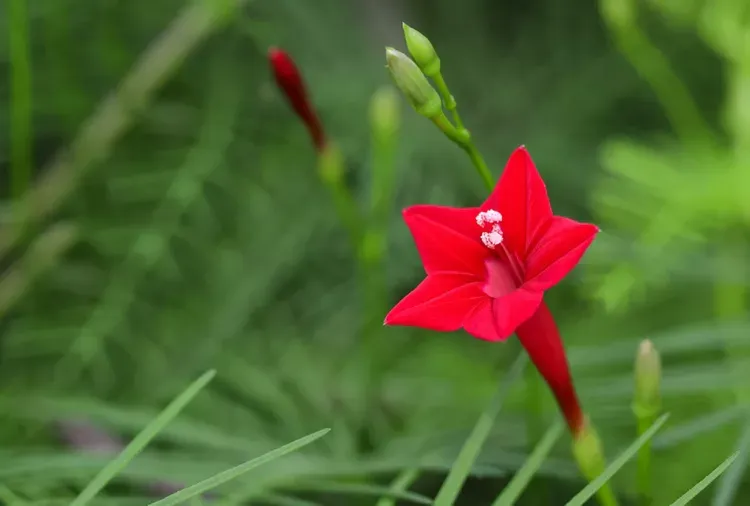
3. Cypress Vine
Plant Characteristics:
An annual vine (you plant it each year, or let it self-seed) that is soft, exceptionally fast-growing, and perfect for creating a quick, temporary summer screen.
Appearance:
Known for its delicate, feathery, fern-like foliage and hundreds of tiny, star-shaped flowers in brilliant reds, pinks, or whites.
Growing Environment:
Loves heat and full sun. It’s drought-tolerant but blooms best with regular water. Thrives in standard, well-draining soil.
Benefits:
A magnet for hummingbirds and butterflies, adding dynamic life to your pergola. It provides dappled rather than dense shade, keeping the area bright but cool.
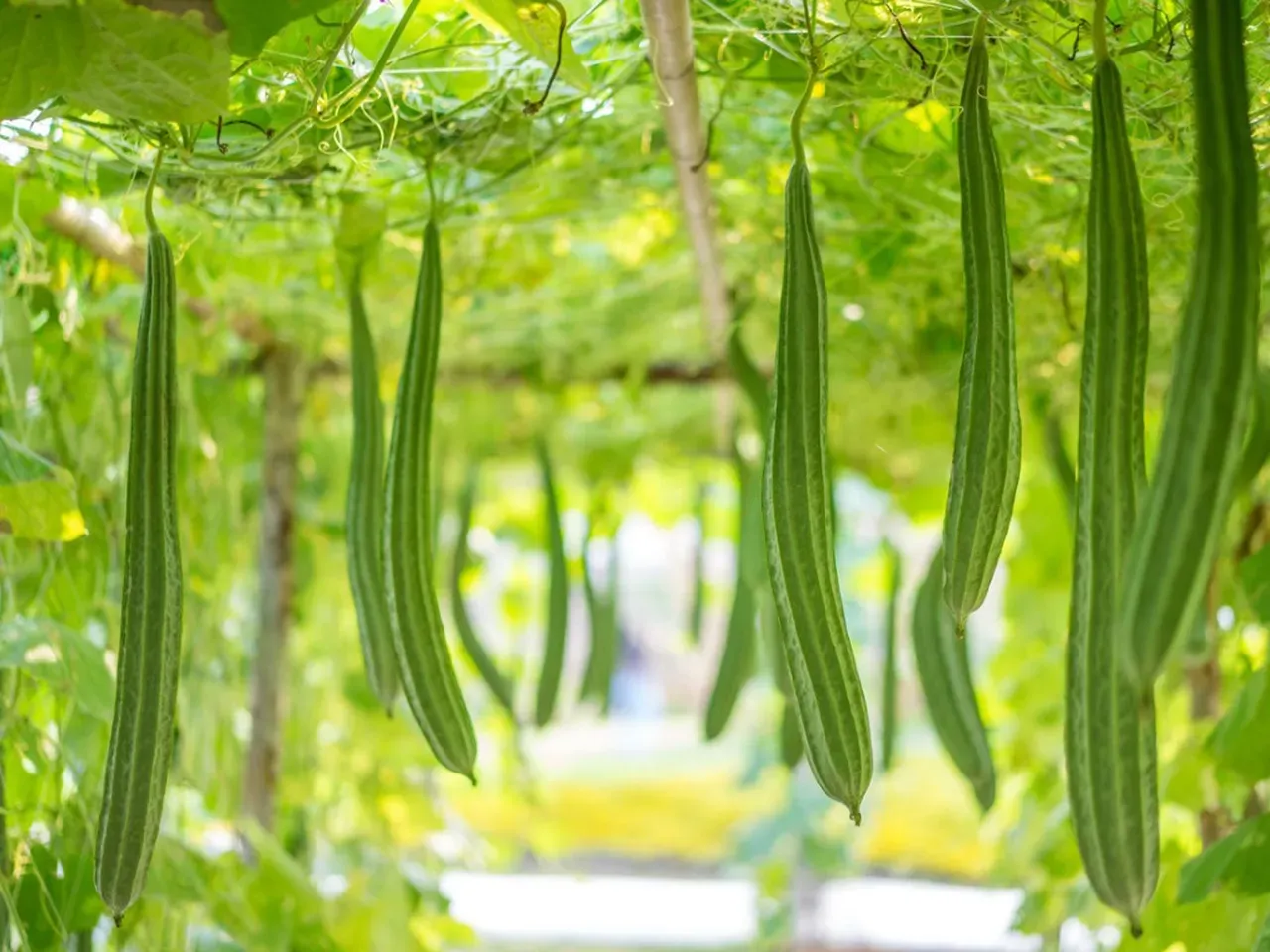
4. Luffa (Loofah Vine)
Plant Characteristics:
A vigorous annual warm-season vine. It’s a dual-purpose plant: it provides quick summer shade and produces useful fruit.
Appearance:
Large, deeply lobed green leaves that create a dense canopy. It produces bright yellow flowers followed by long, cylindrical green fruits that can be eaten young or left to mature into bath sponges.
Growing Environment:
Needs a long, hot growing season with plenty of sun and water. Thrives in rich, fertile soil.
Benefits:
The young fruits are edible and nutritious. Mature, dried fruits become natural, eco-friendly cleaning sponges. It’s a fantastic conversation starter.
🌸 Category B: The Fragrance Factory (Scented Vines)
Best for:Creating a romantic, relaxing ambiance, especially for evening use.
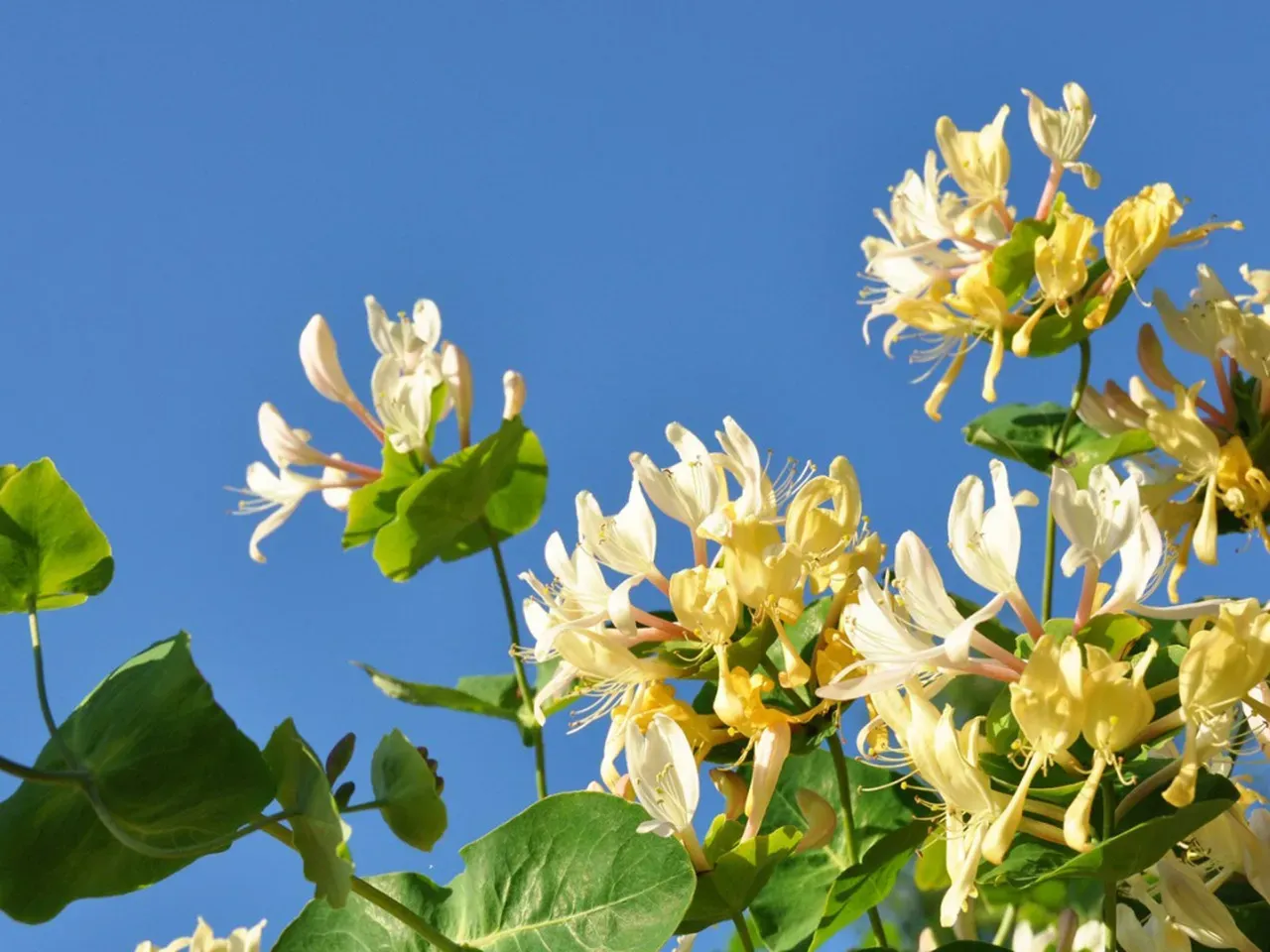
5. Honeysuckle
Plant Characteristics:
A vigorous, often semi-evergreen vine known for its twining habit and incredible scent. Note: Choose non-invasive native varieties for your region if possible.
Appearance:
Pairs of oval leaves with distinctively shaped tubular flowers. Blooms often start white and turn yellow as they age, creating a two-tone effect.
Growing Environment:
Adaptable to full sun or partial shade. Prefers well-draining soil but is quite tough once established.
Benefits:
The legendary sweet fragrance is strongest in the evening, making it perfect for a dining pergola. Traditionally used in some cultures for cooling teas to soothe sore throats.
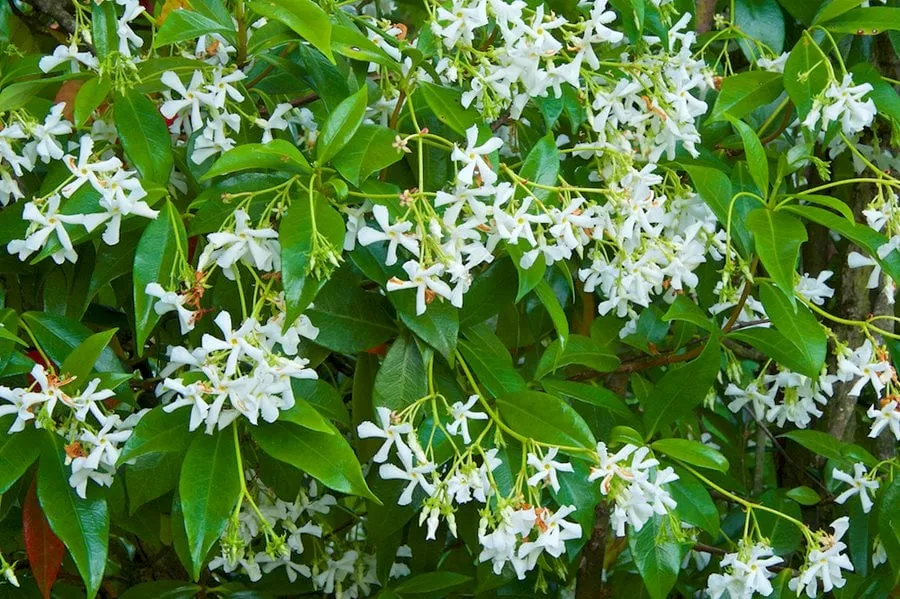
6. Star Jasmine (Trachelospermum jasminoides)
Plant Characteristics:
An evergreen woody vine in warmer climates. It attaches via twining stems and can develop aerial roots for extra grip. Known for its blanket of white blooms.
Appearance:
Glossy, leathery dark green leaves that look good year-round in mild zones. It produces masses of pinwheel-shaped, pure white flowers.
Growing Environment:
Thrives in sun to part shade. Prefers moist, well-drained soil. It is moderately drought-tolerant once mature.
Benefits:
The intense, sweet fragrance can perfume an entire yard. It’s a mood-booster and is known in herbal traditions for having calming properties.
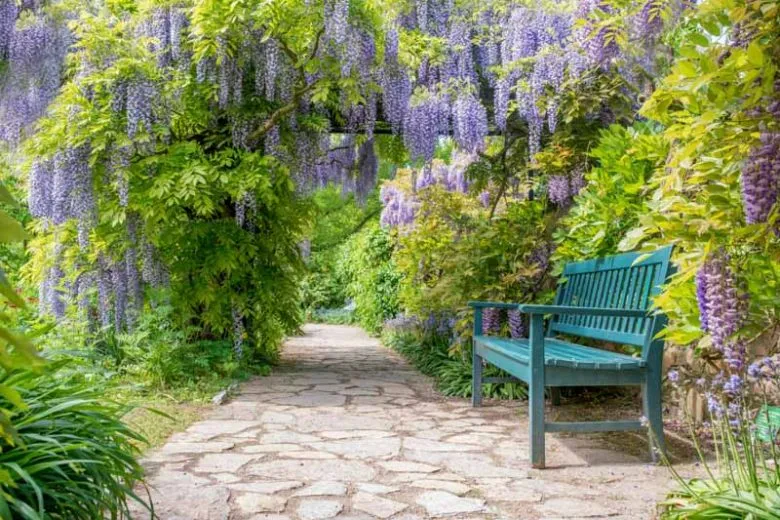
7. Wisteria (Wisteria sinensis / floribunda)
Plant Characteristics:
A massive, long-lived woody vine that requires a very sturdy support structure. Its twining stems can become as thick as tree trunks over decades.
Appearance:
Famous for its spectacular, long cascading racemes (flower clusters) of violet-blue or white flowers that appear in spring before the leaves.
Growing Environment:
Needs full sun to bloom profusely. It is very hardy and drought-tolerant but requires strong pruning to keep it in check.
Benefits:
Creates arguably the most breathtaking floral display of any vine. It is a major attractor for bees and early pollinators.
Warning:Ensure your pergola is heavy-duty (like a robust aluminum frame) to support its eventual weight.
8. Yellow jessamine (Gelsemium sempervirens)
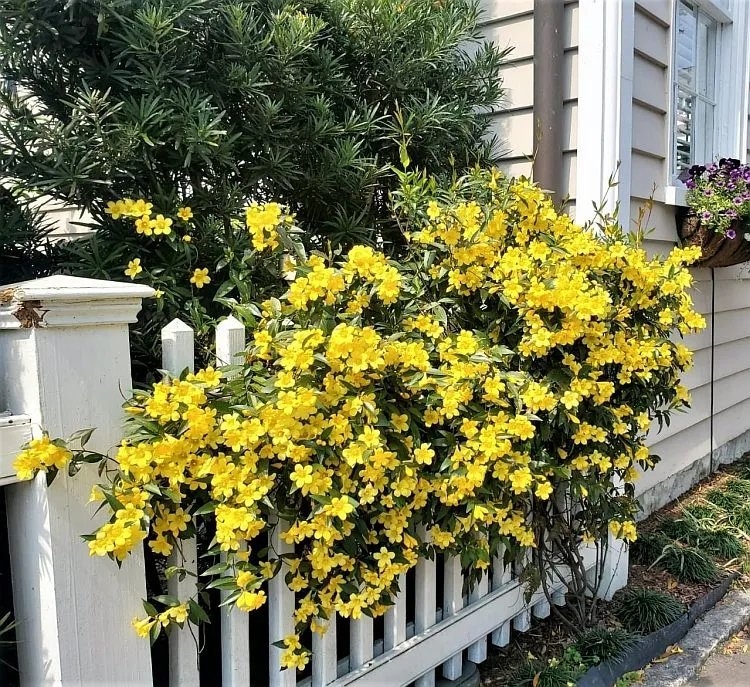
Plant Characteristics:
An evergreen twining vine that is often one of the first to bloom in late winter or early spring, heralding the new season.
Appearance:
Shiny, lance-shaped green leaves. It is covered in masses of bright, trumpet-shaped yellow flowers that are sweetly scented.
Growing Environment:
Loves full sun but tolerates partial shade. It prefers rich, well-drained, slightly acidic soil.
Benefits:
Its early blooming provides vital nectar for early-season pollinators. The scent is delightful and refreshing after a long winter.
🌺 Category C: The Visual Showstoppers (Heavy Bloomers)
Best for:Making a dramatic statement and adding vibrant color to your backyard.
9. Bougainvillea
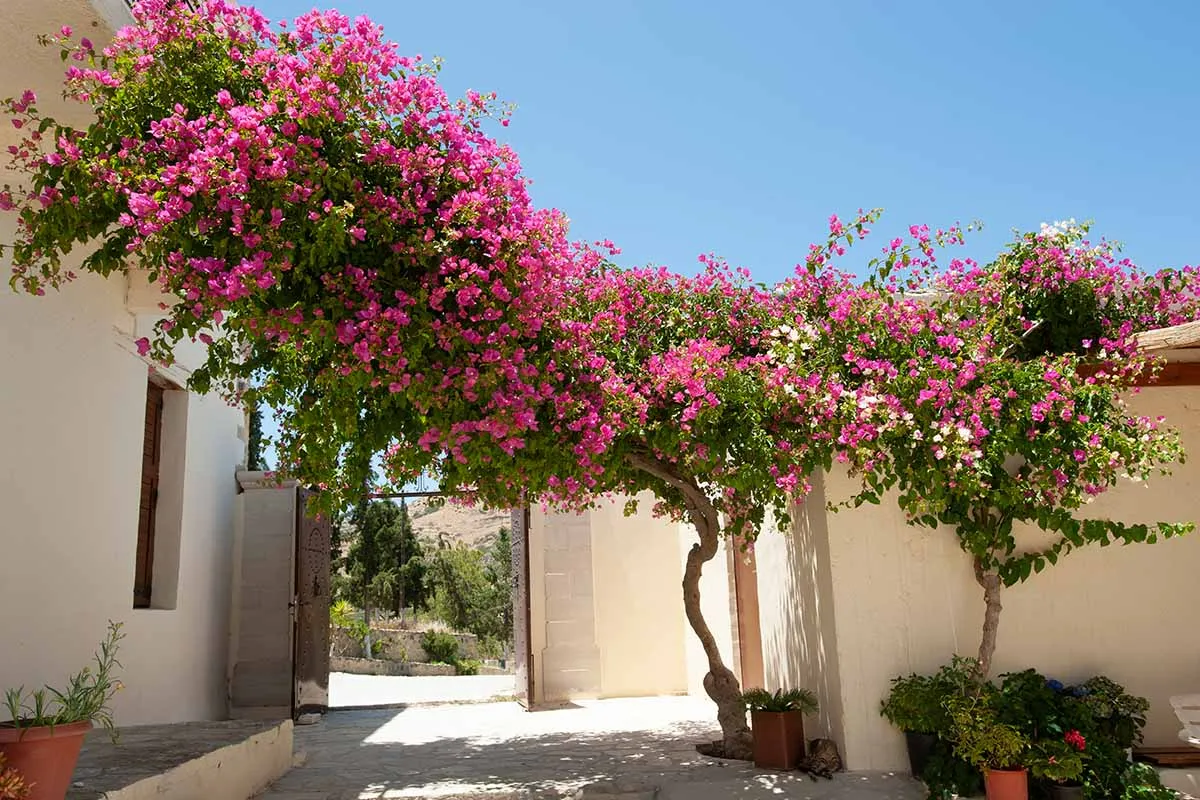
Plant Characteristics:
A thorny, woody, scrambling vine that is the quintessential tropical showstopper. It doesn’t “climb” on its own and needs to be tied or trained onto the pergola structure.
Appearance:
What look like flowers are actually vibrant, papery bracts (modified leaves) in intense shades of magenta, red, orange, or purple. The true flowers are tiny and white inside the bracts.
Growing Environment:
Needs intense heat and full sun to bloom well. It is highly drought-tolerant and prefers dry soil; too much water reduces blooming. Not frost-tolerant.
Benefits:
Provides unmatched, intense color for months on end in warm climates. Its dense, thorny growth can also enhance security and privacy.
10. Climbing Rose (Rosa spp.)
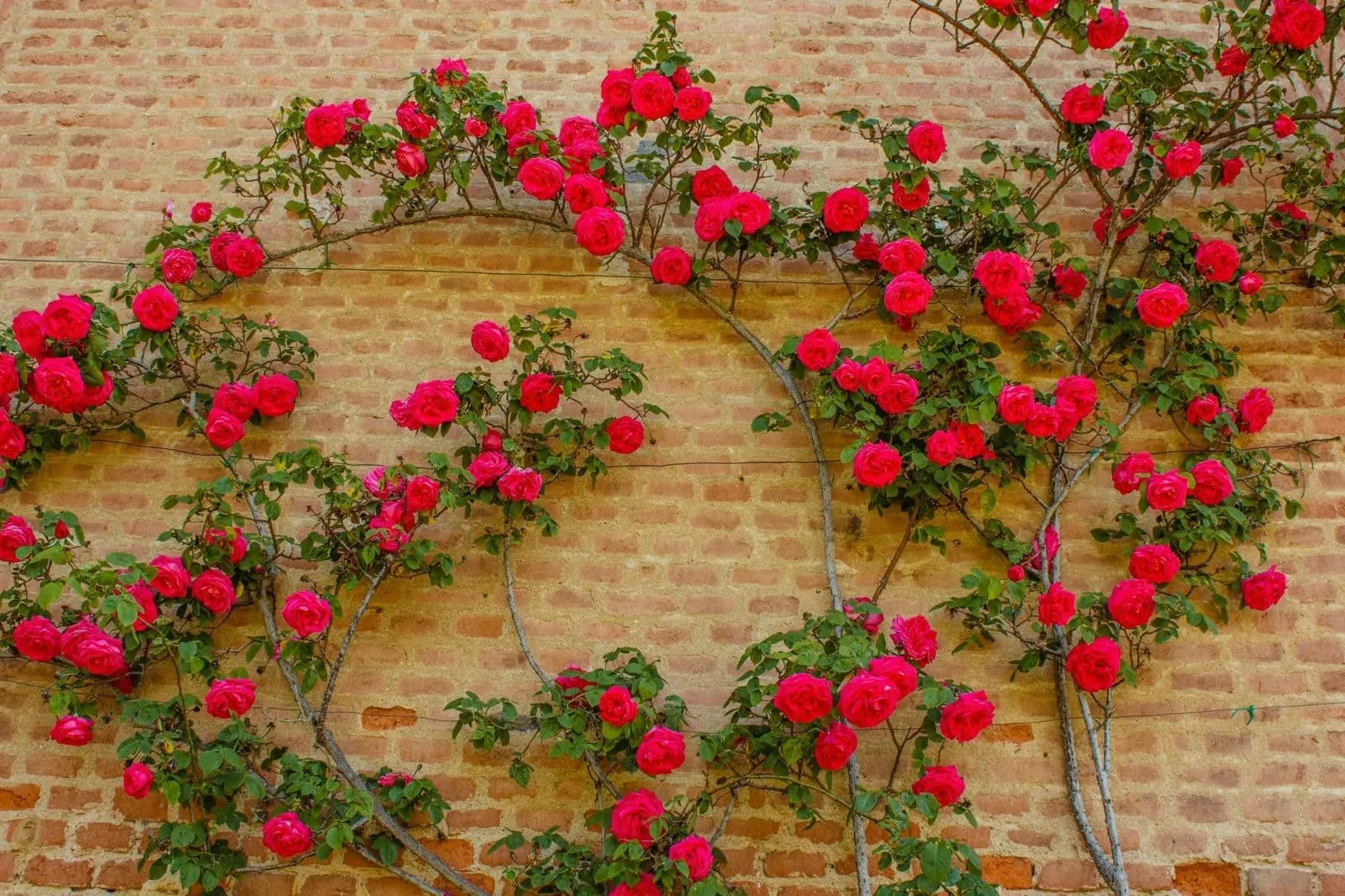
Plant Characteristics:
Not a true vine, these are roses with long, flexible canes that can be trained over structures. They require tying to the pergola frame.
Appearance:
Features classic, often fragrant rose blooms in a vast array of colors. Foliage is typically dark green and glossy.
Growing Environment:
Demands full sun (6+ hours a day) and good air circulation to prevent fungal diseases. Needs rich, well-drained soil and regular feeding.
Benefits:
The classic choice for a romantic English garden look. They provide beautiful cut flowers and, depending on the variety, a lovely scent.
11. Trumpet Vine (Campsis radicans)
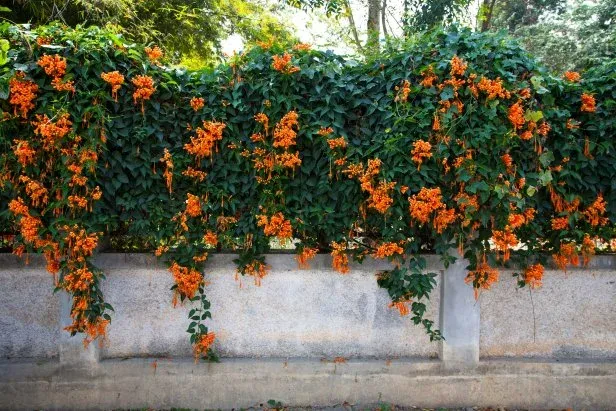
Plant Characteristics:
An extremely vigorous, deciduous woody vine that uses aerial rootlets to cling tenaciously to surfaces.
Appearance:
Features large, showy, trumpet-shaped flowers in bold shades of orange, red, or yellow. Has attractive, fern-like compound leaves.
Growing Environment:
Thrives in full sun and heat. Adaptable to poor soils and very drought-tolerant.
Benefits:
The premier plant for attracting hummingbirds, who love deep, tubular flowers.
12. Clematis
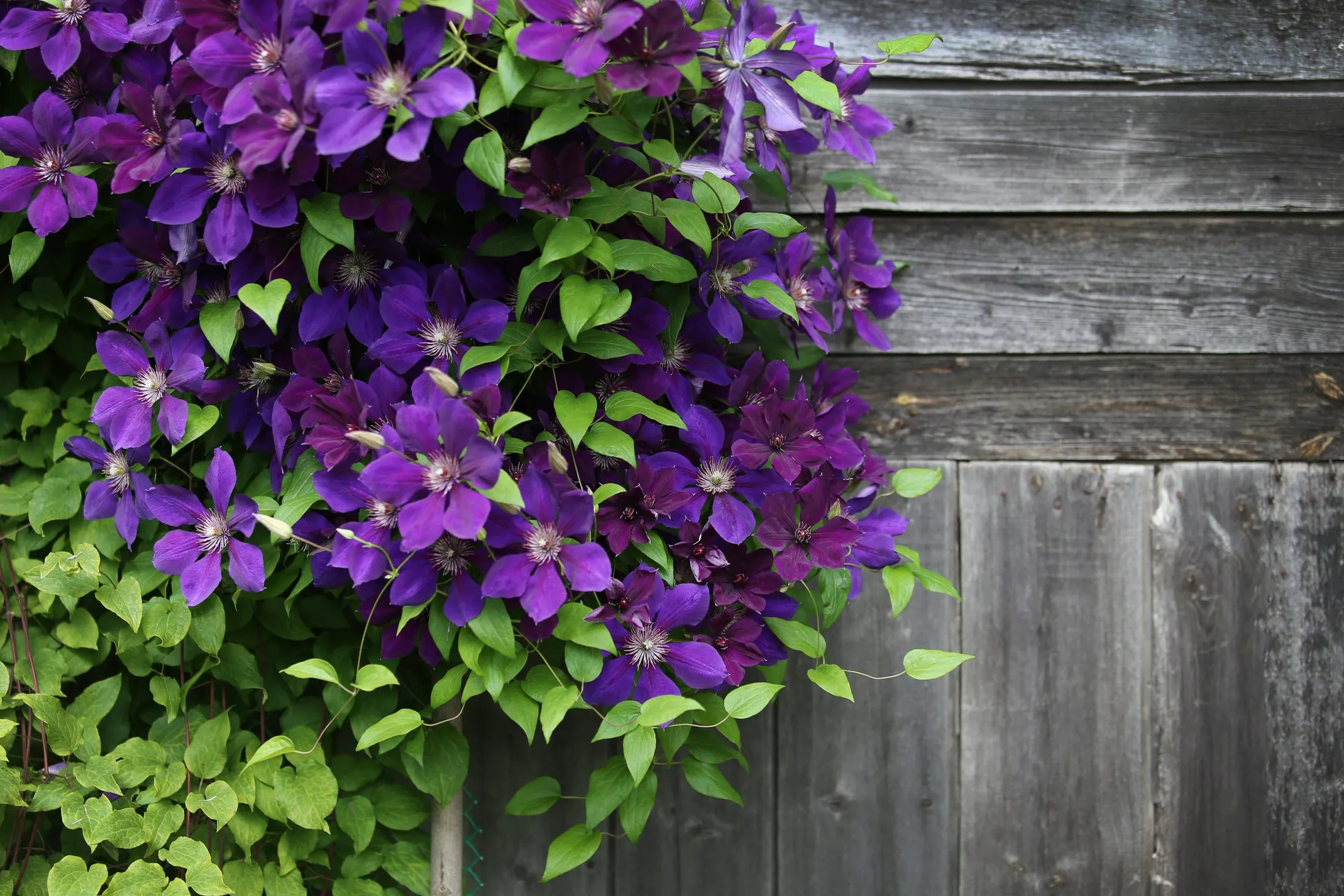
Plant Characteristics:
The “Queen of Climbers.” It climbs by wrapping its leaf stems (petioles) around thin supports like wires or trellis netting.
Appearance:
Known for its diverse and often huge, stunning flowers in nearly every color, especially purples, pinks, and whites.
Growing Environment:
Famous for liking “cool feet and a hot head”—meaning its roots should be shaded (by mulch or other low plants) while its vines get full sun.
Benefits:
Offers some of the most sophisticated and varied flower forms. Great for combining with other vines, like climbing roses.
13. Pyrostegia venusta
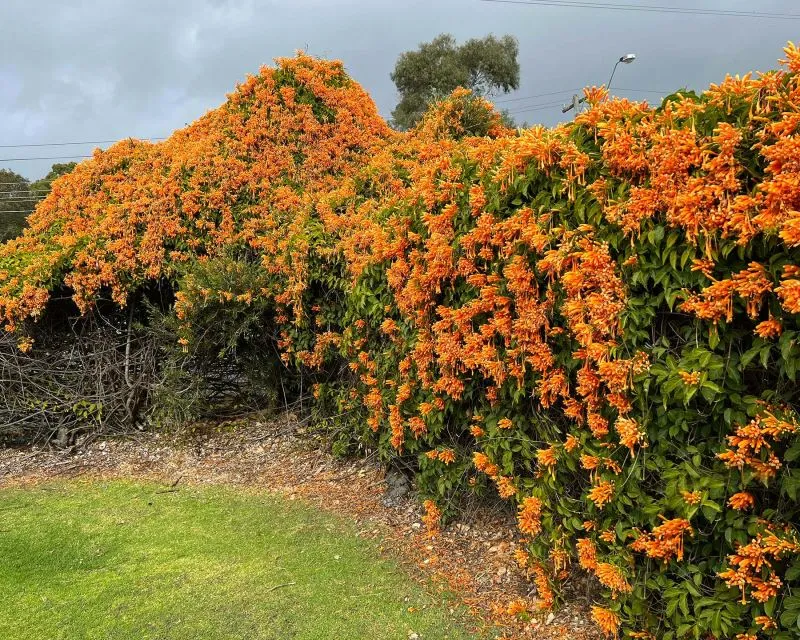
Plant Characteristics:
A vigorous evergreen climber for warm climates, known for its spectacular winter blooming season.
Appearance:
Produces cascading clusters of brilliant orange, tubular flowers that can completely cover a structure, looking literally like it’s on fire.
Growing Environment:
Needs full sun and warm temperatures. Tolerates varied soils as long as they are well-drained.
Benefits:
Provides stunning color during the winter months when most other plants are dormant. Attracts pollinators even in cooler seasons.
🛡️ Category D: The Privacy Shields (Evergreen & Dense Coverage)
Best for:Creating a year-round green screen to block neighbors or unsightly views.
14. English Ivy (Hedera helix)
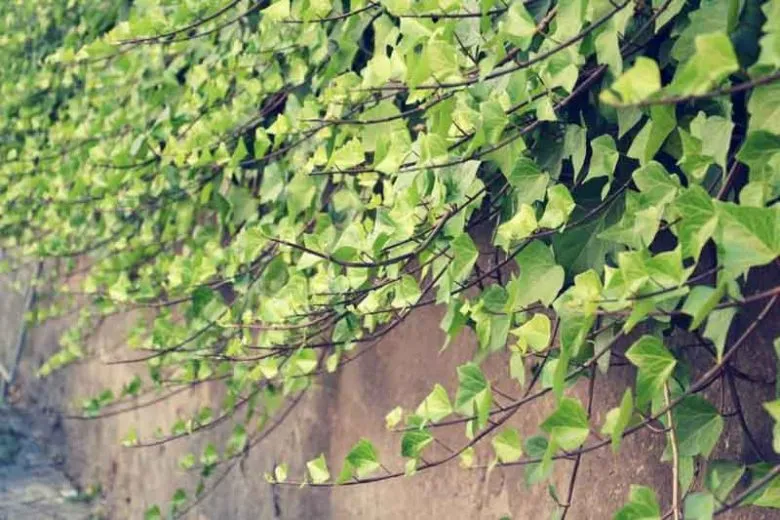
Plant Characteristics:
The classic evergreen climber. It uses strong aerial rootlets to cling to almost anything. Caution: Can be invasive in some regions; check local regulations.
Appearance:
features recognizable lobed, leathery, dark green leaves. Variegated varieties with white or yellow margins are also available.
Growing Environment:
Incredibly adaptable. One of the best climbing plants for pergola structures in deep shade, but also tolerates sun.
Benefits:
Unmatched for creating a dense, fully opaque, year-round privacy screen. It is also an excellent air-purifying plant.
15. Princess Vine (Cissus sicyoides)

Plant Characteristics:
A fascinating tropical vine known for its incredible aerial roots that hang down like curtains.
Appearance:
Green leaves form a canopy, but the main attraction is the hundreds of long, red-brown aerial roots that dangle downward, creating a living “beaded curtain.”
Growing Environment:
Prefers warm, humid climates and partial to full sun. Needs regular water.
Benefits:
Creates a unique, semi-transparent privacy screen that still allows airflow. The visual effect is stunning and exotic.
16. Arrowhead Plant (Syngonium podophyllum)
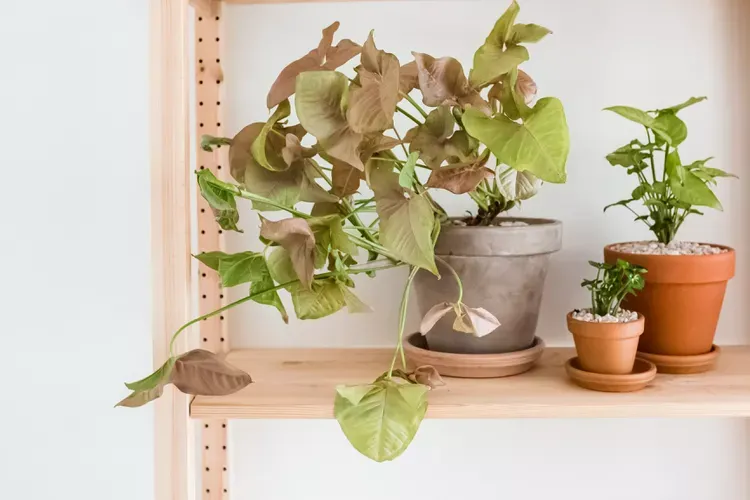
Plant Characteristics:
While often a houseplant, in warm, humid climates, it can be grown outdoors as a vigorous evergreen climber using aerial roots.
Appearance:
Leaves change shape as they mature, often starting arrow-shaped and becoming more lobed. Available in various shades of green, white, and pink variegation.
Growing Environment:
Ideal for shady pergolas in frost-free zones. Needs humidity and moisture.
Benefits:
Adds a lush, jungle-like feel to shaded areas where other vines might struggle. Excellent for air purification.
🍇 Category E: The Edible Pergola (Fruits & Veggies)
Best for:
The practical gardener who wants their shade structure to also be a food source.
17. Grapevine (Vitis vinifera)
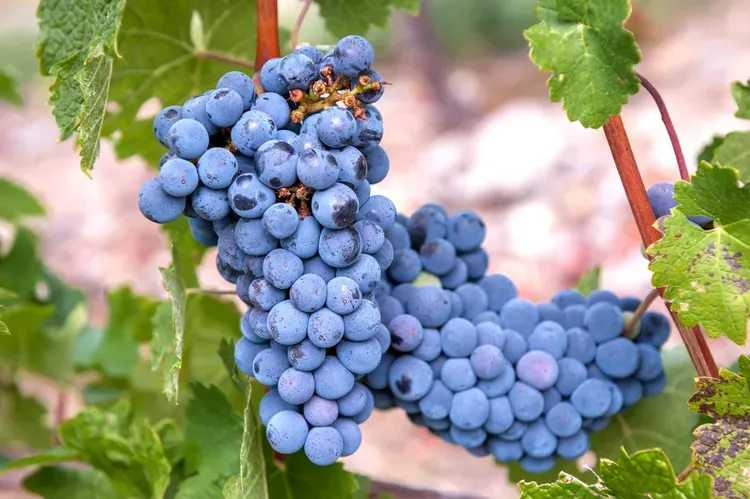
Plant Characteristics:
A classic choice for pergolas for thousands of years. A woody, deciduous vine that climbs via tendrils.
Appearance:
Large, beautiful, lobed green leaves provide dense shade in summer. Clusters of green, red, or purple fruit hang down decoratively in late summer/autumn.
Growing Environment:
Needs full sun for sweet fruit. Requires good air circulation and annual pruning in winter.
Benefits:
Provides excellent summer shade while letting winter sun through after leaves drop. Offers a delicious annual harvest of fresh fruit.
18. Kiwi (Actinidia deliciosa)
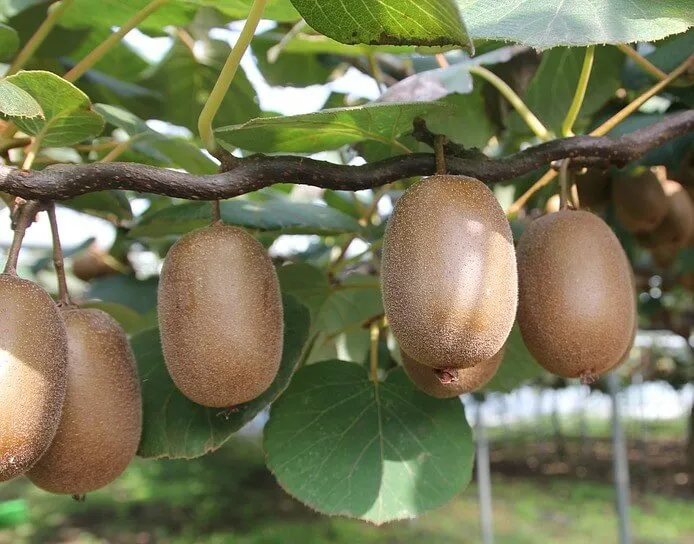
Plant Characteristics:
A vigorous, woody, deciduous twining vine. Note: You usually need both a male and female plant to get fruit.
Appearance:
Large, attractive, heart-shaped leaves with a fuzzy texture. Produces fuzzy brown fruits.
Growing Environment:
Needs plenty of space, strong support, full sun, and consistent water.
Benefits:
Rich in Vitamin C, the fruit is a healthy treat. The large leaves create very deep, cool shade.
19. Bitter Melon (Momordica charantia)
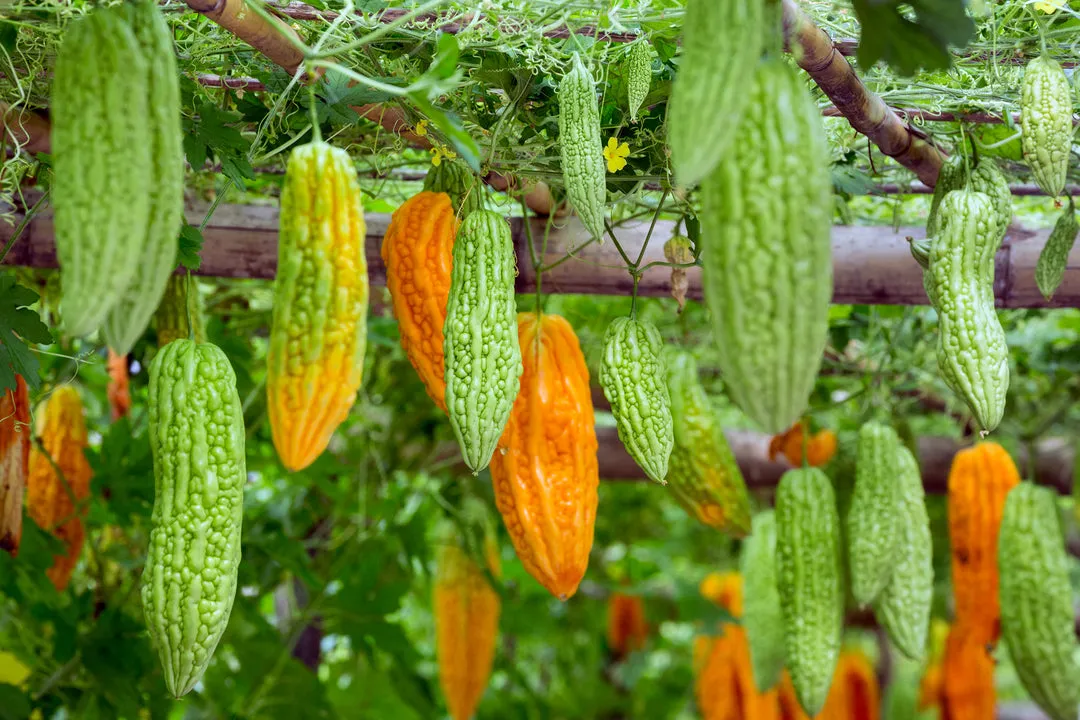
Plant Characteristics:
An annual herbaceous vine that loves heat and humidity. Climbs easily via tendrils.
Appearance:
Deeply lobed foliage and pretty yellow flowers, followed by distinctively warty, oblong green (ripening to orange) fruits.
Growing Environment:
Hot, sunny climates with rich soil and regular water.
Benefits:
Highly valued in many cuisines for its unique flavor and health benefits, including blood sugar regulation properties.
20. Hyacinth Bean (Lablab purpureus)
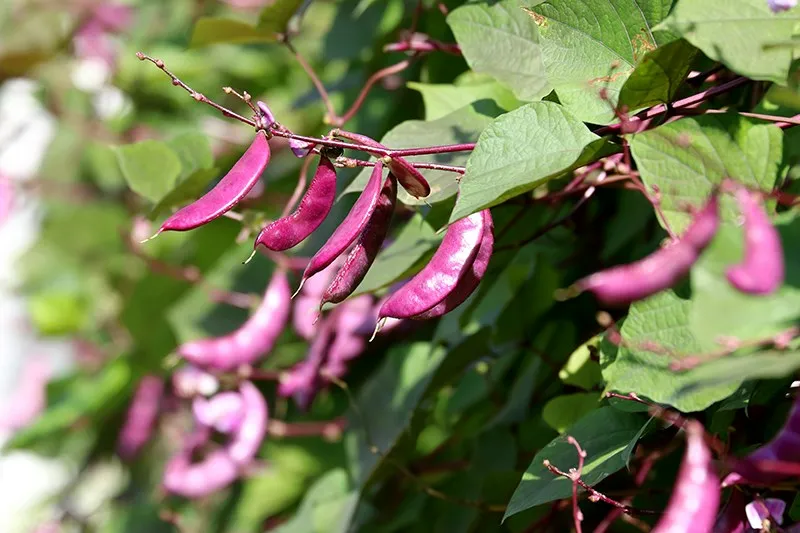
Plant Characteristics:
A beautiful annual vine that is grown as much for its ornament as for its edible parts.
Appearance:
striking purple stems, purple-veined leaves, and spikes of sweet-pea-like lilac flowers, followed by glossy, brilliant purple seed pods.
Growing Environment:
Full sun lover. Heat and drought tolerant once established.
Benefits:
Offers a rare splash of purple foliage color. Young pods can be edible (must be cooked properly), and the flowers attract many pollinators.
🔧 Part 3: Technical Guide: Growing on an Aluminum Pergola
(How to get lush growth without ruining your new structure)
You might be wondering, “My Progolas aluminum pergola is sleek and smooth. How will these plants climb it?”
This is a critical question. Unlike rough wood, aluminum doesn’t offer a natural grip for some vines, and you certainly don’t want to drill holes into it, which could compromise the powder coating.
The Golden Rule: No Drilling Necessary
Your aluminum pergola is engineered for longevity. Drilling holes invites moisture into places it shouldn’t be. Instead, use these smart, non-destructive methods:
For Twining Vines (Wisteria, Jasmine, Honeysuckle):
These need something to wrap around.
Solution: Wrap soft, weather-resistant garden ties or soft rope around the aluminum posts to give them an initial grip. Once they reach the louvered roof beams, they can usually find plenty of spots to twine around the frame structure itself.
For Tendril Climbers (Grapes, Clematis, Passionflower):
They need thin supports to grab.
Solution: Install a simple, almost invisible tension wire system between the posts, or use removable outdoor adhesive hooks to hold up a lightweight trellis netting until the plant establishes.
For Adhesive Climbers (Boston Ivy, Virginia Creeper):
Solution: These can stick directly to the powder-coated aluminum. While they generally won’t damage a high-quality finish like the one used on Progolas, be aware that if you ever remove them, they may leave behind small residue marks from their suction cups.
Why Aluminum is Actually Better for Vines:
Wood pergolas covered in dense, moist vines will eventually rot. An aluminum pergola is impervious to this moisture. You can water your hanging baskets and let your vines create a humid jungle environment without ever worrying about the structural integrity of your frame.