
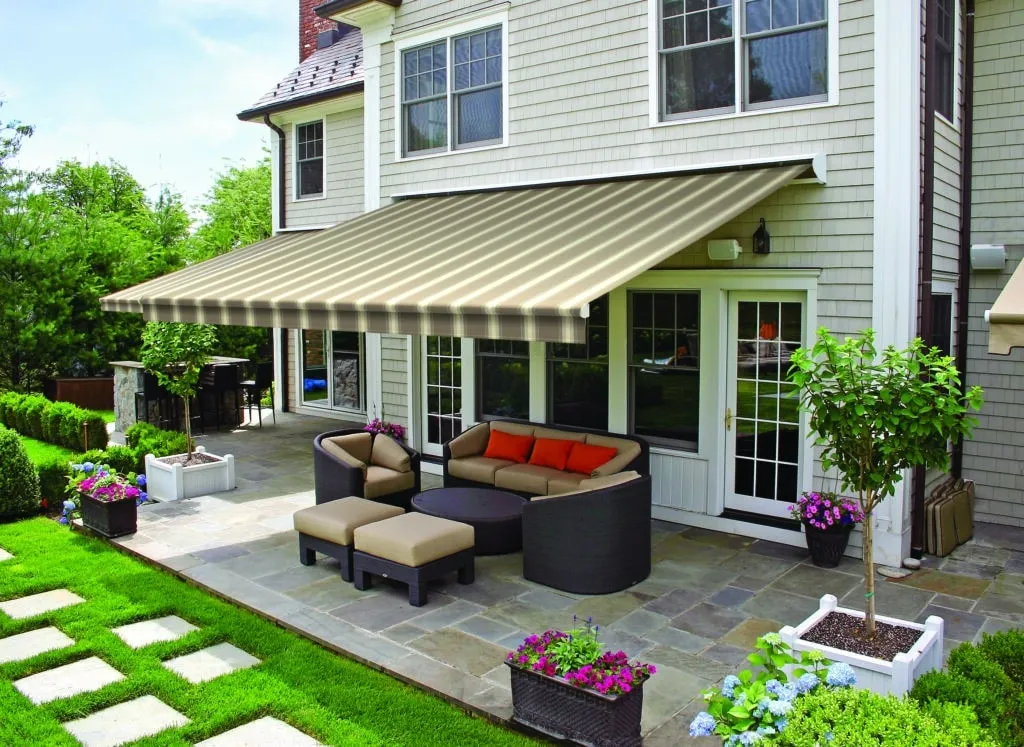

A Practical Guide to the Best Cases for Awnings
Homes + Businesses: Matching Space to Solution
An awning is an exterior covering—fixed or retractable—installed over a door, window, patio, or storefront to create shade, reduce heat and glare, add light rain protection, and upgrade the usability of outdoor space.
If you’re researching cases for awnings, the “best” use case is the one where shade + comfort + protection align with the site’s wind, mounting surface, and daily usage habits.
🚀 Fast Recommendations (By Space & Weather)
| Scenario / Space | Best Awning Type | Why? |
|---|---|---|
| Large Backyard Deck | Retractable Lateral Arm | Massive shade coverage (10ft+) that disappears when you want sun. |
| Windy Coastal Balcony | Fixed Frame / Drop Arm (with sensor) | Fixed handles wind better; Drop arms allow vertical shade control. |
| Restaurant Patio | Pergola Awning (with posts) | Highest stability for protecting customers (revenue) in rain or shine. |
| Small Shop Window | Fixed Wedge / Spear | Permanent branding space + protects merchandise from UV fading. |
| Front Door Entry | Fixed Aluminum / Polycarb | Maintenance-free rain protection for unlocking the door. |
🏠 Residential Use Cases (Home Comfort)
Goal: Reduce surface temperature of pavers/decking (often by 20°F) so you can walk barefoot and sit outside without roasting.
Best Pick: Motorized Retractable.
2. The “Energy Saver” (South/West Windows)
Goal: Stop solar heat gain before it hits the glass. Exterior shading is 7x more effective than interior blinds.
Best Pick: Drop-arm awnings or Retractable Vertical Screens.
3. The “Dry Entry” (Front/Back Doors)
Goal: Keep rain off guests and packages.
Best Pick: Fixed metal or fabric awning (must handle snow load if in north).
🏢 Commercial Use Cases (Revenue & Brand)
Goal: Turn a hot sidewalk into usable revenue-generating dining space. Rain protection is critical here to avoid canceling reservations.
Best Pick: Structural Pergola Awnings with gutters (can handle rain/wind better than lateral arms).
2. The “Merchandise Protector” (Retail)
Goal: Prevent UV rays from bleaching window displays (clothing, furniture, art) while offering a canvas for signage.
Best Pick: Traditional Fixed Wedge (Classic look + 24/7 branding).
🌤️ The “Deal Breakers” (Weather & Mounting)
- Wind Load: Retractable awnings act like sails. If you live in a high-wind zone (canyons, coastal), you must use a wind sensor or choose a fixed frame.
- Rain Pitch: Retractables need a pitch of at least 14° (roughly 3 inches of drop per foot) to drain water. If mounted too low, they will pool water and collapse.
- Mounting Surface: “Best case” assumes you have studs, headers, or a brick wall. Mounting to vinyl siding or stucco requires special blocking. No solid mount = No awning.
The 3 Main Reasons People Use Awnings
Understanding the “why” helps you pick the right “where.”
1. Shade & Heat Reduction (Comfort + UV Protection)
Awnings block direct sun, making outdoor areas cooler and more usable. Window awnings also reduce glare and can help keep interior spaces more comfortable.
2. Light Rain Protection (Keep Entrances Usable)
Many awnings handle light rain for short periods, protecting entry steps and reducing slip risk.
(Note: They’re not meant to replace a real roof in storms.)
3. Space Upgrade (Turn Unused Area Into Usable Area)
This is the business and lifestyle payoff: an awning can convert a hot, unused patio into a regular dining or seating zone.
Residential Cases for Awnings (Homes)
Targeted Solutions by Living Zone
1. Patio and deck
- Best for: outdoor dining tables, sofa sets, BBQ prep zones.
- Why it works: you can choose shade when needed and retract when not.
- Best awning types: retractable awning, cassette/box awning, pergola-style retractable system.
📌 Key notes: plan around furniture layout, grill smoke direction, and afternoon sun.
2. Balcony and terrace
- Best for: apartments, compact outdoor spaces.
- Why it works: shade without building a permanent structure.
- Best awning types: compact cassette awning, drop-arm awning (for balcony fronts), retractable with wind strategy.
📌 Key notes: balconies are often windier—location and wind exposure matter more than you think.
3. Windows (sun-facing rooms)
- Best for: west-facing afternoon sun, living rooms, offices, kids’ rooms.
- Why it works: reduces glare and solar heat entering through glass.
- Best awning types: drop-arm awning, fixed window awning.
📌 Key notes: window awnings are one of the most overlooked cases for awnings because the benefit is “indoor comfort,” not just outdoor shade.
4. Doors and entryways
- Best for: front doors, side doors, back doors, garage side entrances.
- Why it works: keeps people dry while unlocking doors; reduces water tracking inside.
- Best awning types: fixed awning / small canopy-style awning.
📌 Key notes: focus on drainage and clearance (door swing, lighting, cameras).
5. Garage edge / storage areas
- Best for: shading stored items, protecting deliveries, reducing sun exposure on cars near the entrance.
- Best awning types: fixed or retractable depending on clearance.
📌 Key notes: ensure the mounting surface is strong and the projection doesn’t interfere with vehicles.
6. Poolside areas
- Best for: loungers, kids’ shade zones, pool equipment and towel areas.
- Best awning types: pergola-style retractable, large retractable systems.
📌 Key notes: humidity and sunscreen/oil film increase cleaning needs.
Commercial Cases for Awnings
Business & Public Spaces
1. Restaurants & cafés (outdoor seating)
- Why it’s a top case: it can turn seasonal seating into dependable seating.
- Best awning types: retractable awning, cassette awning, pergola-style systems for large spans.
📌 Key notes: wind strategy matters; cleaning frequency is higher near kitchens/grills.
2. Retail storefronts (comfort + branding)
- Best for: sidewalks, entrances, window shopping areas.
- Best awning types: fixed storefront awning, retractable for flexibility.
📌 Key notes: add a valance for branding without blocking signage.
3. Hotels & resorts (entrances + drop-off zones)
- Best for: guest entrances, lounge terraces, pool bars.
- Best awning types: fixed or heavy-duty retractable depending on exposure.
📌 Key notes: premium locations benefit from cassette protection to keep systems cleaner.
4. Offices & commercial buildings (windows + lobbies)
- Best for: glare reduction, lobby waiting comfort.
- Best awning types: window awnings, fixed or retractable depending on design.
📌 Key notes: building façade rules may apply (color, projection limits).
5. Schools & campuses (walkways + pickup zones)
- Best for: covered pathways, pickup/drop-off lines, outdoor learning zones.
- Best awning types: fixed canopies or larger systems.
📌 Key notes: prioritize safety, durable finishes, and easy maintenance.
6. Hospitals & clinics (patient drop-off)
- Best for: weather protection at entrances and waiting lines.
- Best awning types: fixed canopies or robust retractable systems.
📌 Key notes: accessibility and clearances are critical.
7. Warehouses & logistics (loading bays)
- Best for: staging zones, loading doors.
- Best awning types: heavy-duty covers/canopies (often not classic fabric retractables).
📌 Key notes: this is a “weather shielding” case more than a “shade comfort” case.
Specialty Applications
High-Value Use Cases & Unique Environments
Walkways between buildings
Awnings create covered connectors that keep foot traffic comfortable (and keep entrances cleaner).
Rooftops (lounges + bars)
Rooftops are high-exposure environments: sun, wind, and heat reflection are intense. This is a premium case for awnings, but it needs smart wind planning.
RV and camper awnings (travel shade)
Different hardware, different replacement process—great use case, but it’s a separate maintenance category.
Coastal properties (salt air conditions)
Awnings in coastal environments need corrosion-aware hardware selection and more frequent inspection.
Cases for Awnings by Awning Type
Match Product to Space
1. Retractable awnings
- Best cases: patios, decks, cafés, balconies.
- Why: flexible—shade when you want it, open sky when you don’t.
2. Cassette / box awnings
- Best cases: dusty areas, rainy climates, high-end storefronts, restaurants.
- Why: the fabric and arms are protected when retracted, staying cleaner and lasting longer.
3. Fixed awnings
- Best cases: doors, entryways, storefronts, windows.
- Why: simple, stable, always on.
4. Drop-arm awnings
- Best cases: windows, balconies.
- Why: adjustable angle for glare and privacy control.
5. Pergola-style retractable systems
- Best cases: large patios, commercial terraces, rooftop venues.
- Why: bigger span and stronger structure than typical folding-arm awnings.
6. Motorized vs manual
- Motorized cases: high-frequency daily use, commercial patios, hard-to-reach installations.
- Manual cases: small patios, budget setups, simple use patterns.
💡 Bonus: wind sensors can help in windy locations (especially commercial).
How to Choose the Best Location for an Awning
(Decision Checklist)
☀️ 1. Sun path & orientation
- In the Northern Hemisphere: south/west exposure often means the harshest afternoon sun.
- In the Southern Hemisphere: adjust accordingly (north/west often gets strongest sun).
💨 2. Wind conditions
- Avoid “wind tunnel” corridors between buildings.
- Corners and high balconies often get stronger gusts.
- If wind is common, prioritize stronger systems, sensors, or retractable discipline.
🌧️ 3. Rain runoff & drainage
- Make sure water won’t pool or drip onto doorways and steps.
- Don’t treat a retractable fabric awning as a permanent rain roof.
🧱 4. Mounting surface strength
A major “make or break” factor. Concrete/brick can be excellent, but only with correct anchors and load planning.
📏 5. Clearance & obstacles
Watch for:
- Door swing paths
- Lighting / cameras
- Signage
- Tree branches
- Downspouts and gutters
🔄 6. Usage frequency
Awnings used daily should be easy to operate, easy to clean, and supported by a realistic maintenance routine.
Quick Recommendations Table (Location → Best Awning Setup)
| Location | Best cases for awnings (why) | Recommended awning types | Key watch-outs |
|---|---|---|---|
| Patio / Deck | Outdoor dining + lounging comfort | Retractable, cassette, pergola-style | Wind + grill smoke residue |
| Balcony | Compact shade for small spaces | Compact cassette, drop-arm | Gusts and uplift risk |
| Windows | Glare + indoor heat reduction | Drop-arm, fixed window awning | Orientation + façade rules |
| Front Door | Rain cover + safer steps | Fixed entry awning | Drainage, clearance |
| Storefront | Foot traffic comfort + branding | Fixed, retractable | Blocking signage, wind |
| Restaurant Patio | Revenue from outdoor seating | Retractable, cassette, pergola-style | High-frequency use, cleaning |
| Walkways | Covered connectors | Fixed canopy systems | Structural planning |
How to Avoid Common Mistakes
When Choosing Cases for Awnings
1) Mistake: Installing in a wind tunnel area (without a plan)
Why it happens: Corner buildings, narrow passages between buildings, and high balconies create gusty airflow that “hits and lifts” the awning unexpectedly.
- Do a 3-time wind check: stand at the exact install spot and observe wind at morning / afternoon / evening (or on 2 different days). If you regularly feel sudden gusts, treat it as a high-wind zone.
- Follow a “retract early” rule: if umbrellas, lightweight chairs, or tree branches start moving noticeably, retract first—don’t wait for “one big gust.”
- Choose the right awning type: High wind exposure → consider cassette awning (better protection when closed) or a heavier-duty pergola-style system rather than a lightweight folding-arm unit.
- Use wind controls if motorized: add wind sensor + auto-retract for commercial/high-frequency sites (it prevents “we forgot to retract” accidents).
- Shorter projection is safer: if the location is borderline windy, reduce projection and prioritize a wider width instead.
- Make maintenance part of safety: wind damage often starts with slightly loose brackets. Schedule bracket checks.
2) Mistake: Using a retractable awning as a “rain roof”
Why it happens: People see “coverage” and assume “rainproof.” Fabric awnings can handle light rain short-term, but pooling water creates heavy loads and strains arms + fabric.
- Use a simple weather rule: Light rain, short time = acceptable only if water doesn’t pool. Moderate/heavy rain or storm forecast = retract.
- Check pitch/slope: a correct slope helps water shed. If your awning sits too flat, pooling risk rises sharply.
- Never leave it out unattended in rain: pooling can form quickly with changing wind direction.
- After rain, extend to dry: prevent mold and black spotting by letting it air dry before long-term retraction.
- If rain protection is priority: consider a pergola-style retractable roof or a more rigid weather-rated cover instead of standard fabric folding-arm.
3) Mistake: Ignoring mounting strength (The #1 Safety Issue)
Why it happens: People focus on fabric and style, but the real risk is bracket pull-out or wall damage when loads transfer into weak substrate.
- Identify the real wall structure: concrete, brick, structural studs/beam—don’t assume a decorative façade can carry loads.
- Use a “no-movement rule”: if you can wiggle the bracket by hand or see shifting, stop using until it’s fixed.
- Upgrade anchors for real conditions: choose anchoring appropriate to the substrate (this is where professional installers matter most).
- Plan bracket positions: more evenly distributed mounting points reduce stress concentration.
- Add an inspection habit: quick monthly check (or before windy season) for fasteners backing out, cracks around the bracket zone, or any “new” vibration.
4) Mistake: Choosing size based on looks, not usage
Why it happens: People center it visually, then realize the table is half-covered, or the walkway gets soaked, or the sun still hits the seating zone.
- Define the “use zone” first: mark where people actually sit/stand/walk.
- Use a simple sizing rule-of-thumb: Cover the full table + chairs plus a small buffer, not just the tabletop. Keep clear space for doors and walking paths.
- Match projection to sun angle: afternoon sun often needs more projection than morning sun (especially west-facing spaces).
- Don’t block key elements: check clearance for doors, signage, lights, and cameras.
- If you must compromise: prioritize covering the primary seating zone rather than centering perfectly.
FAQ
(Great for Featured Snippets)
❓ Where are awnings most commonly used?
Patios, balconies, storefronts, windows, and entryways are the most common cases for awnings because they combine comfort benefits with practical installation.
❓ Can an awning be used in rain?
Light rain for short periods—often yes. But retractable fabric awnings shouldn’t be treated as permanent rain roofs in storms.
❓ Where should you not install an awning?
Avoid areas with strong, unpredictable gusts (wind tunnels), weak mounting surfaces, or spaces where drainage would drip onto steps or doorways.
❓ Do awnings reduce indoor temperature?
Window awnings can reduce glare and direct solar gain, which often improves indoor comfort—especially on the strongest sun-facing sides.
❓ What type of awning is best for restaurants?
Retractable or cassette systems are common because they balance flexibility with protection; larger terraces often suit pergola-style retractables.